
Classic Car Blog
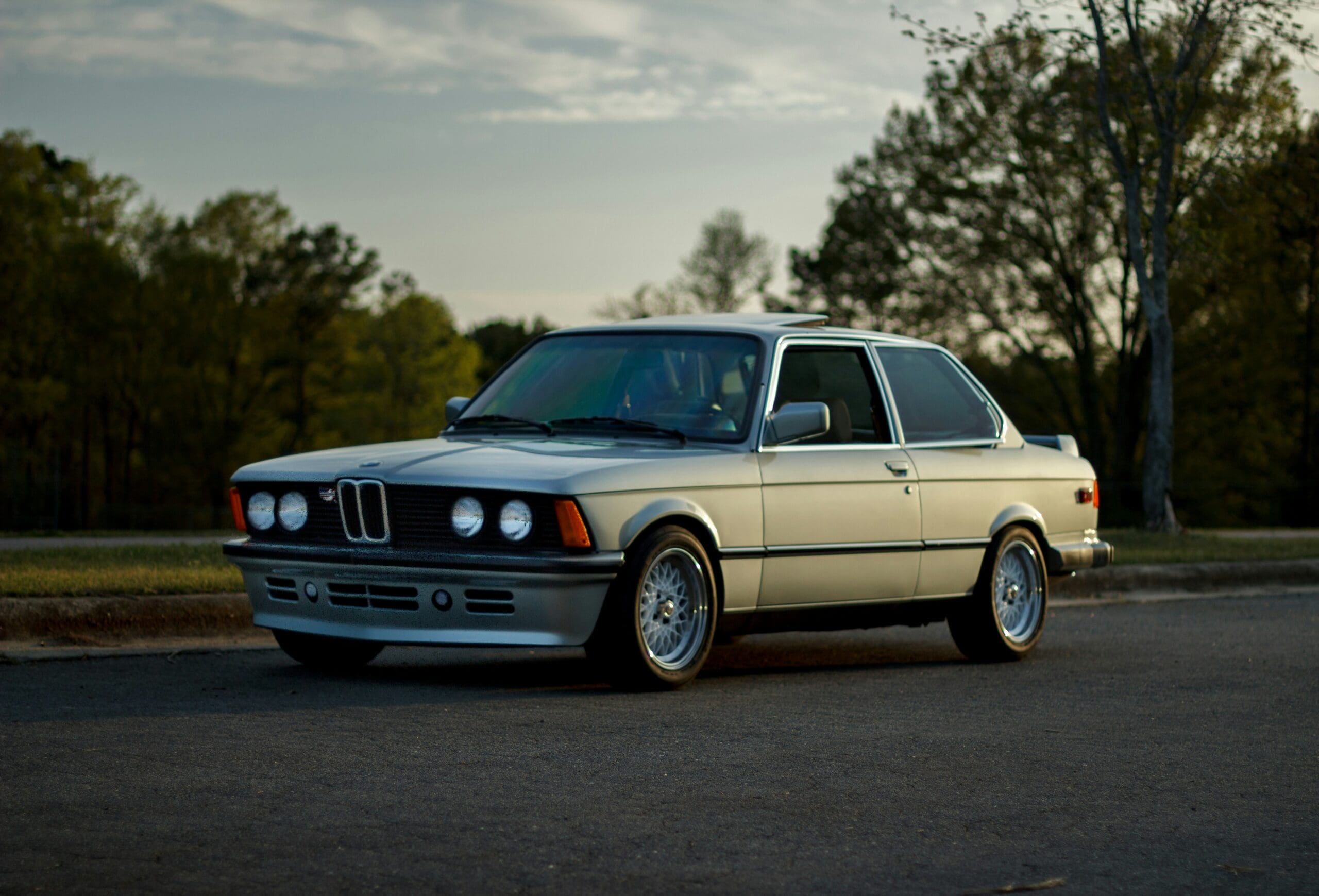
Short Answer: A vintage BMW E30 restoration succeeds or fails on rust. Check the floor pans, subframe mounts, rocker panels, and sunroof tray before any paint work starts. Fabricate parts that are no longer produced instead of substituting incorrect pieces. Match your chassis code and engine variant to your goals for the car, then bring […]
September 24, 2026
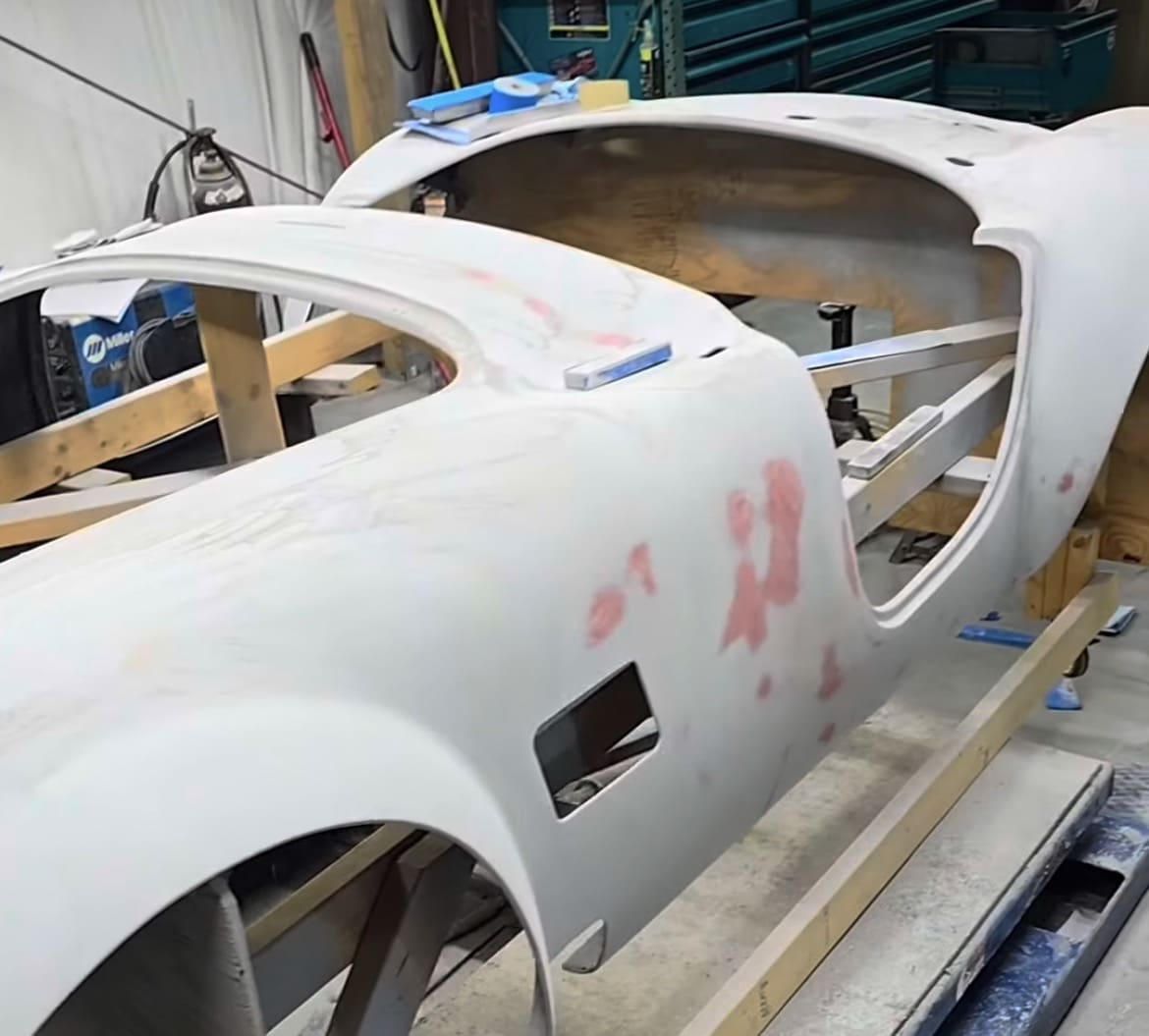
Short Answer: Aging fiberglass car bodies most often develop six problems. These are gelcoat crazing, stress cracks at mounting points, and moisture blistering. Add UV fading, print-through of the weave, and hidden damage from old filler repairs. None of these mean the car is unsavable. Fiberglass doesn’t rust, but it does age. Most of these […]
September 22, 2026
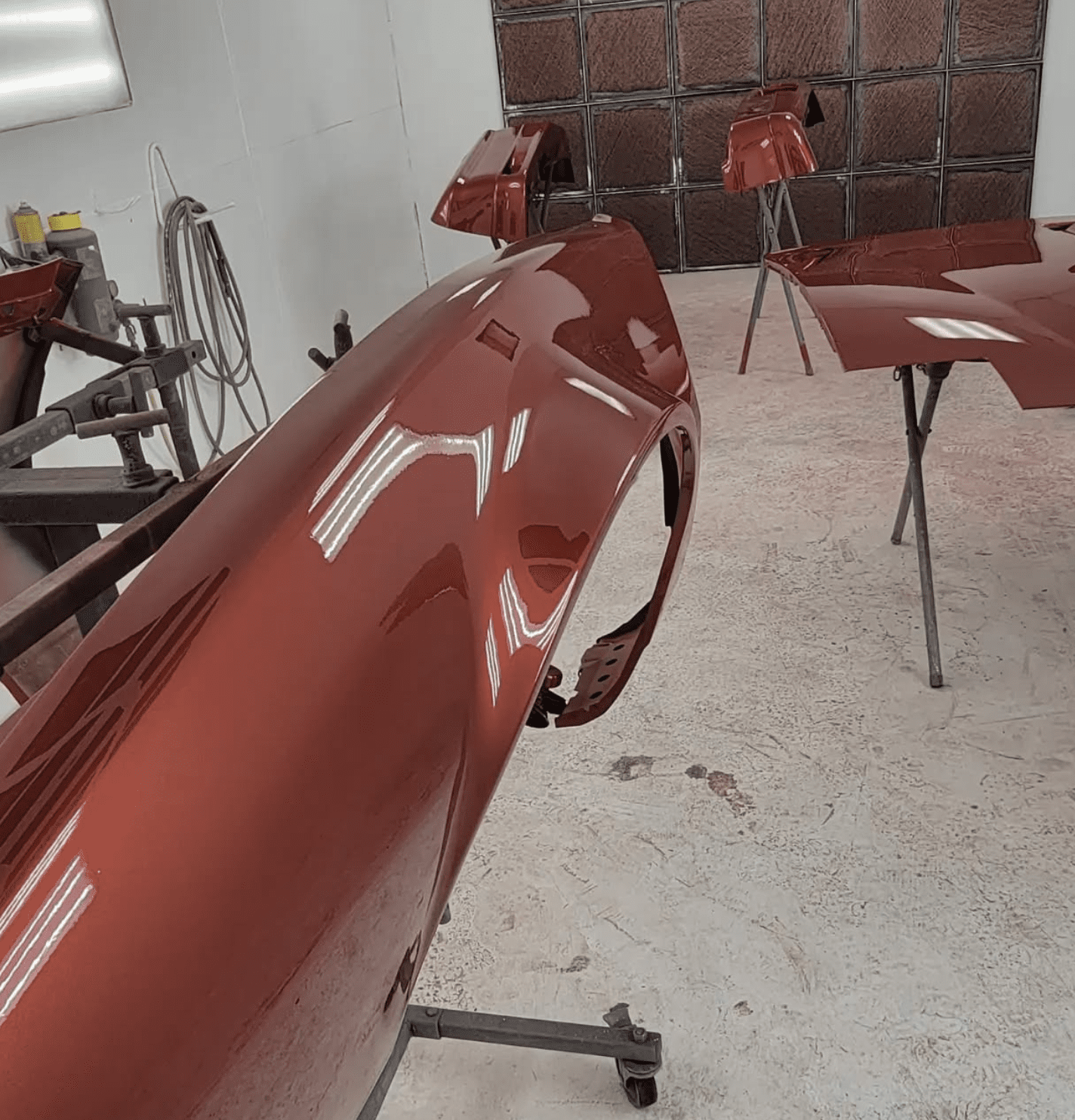
Short Answer: A full, professional-quality repaint on a classic car typically runs anywhere from a few thousand dollars for a basic job to $20,000 or more for show-quality work at a big-city specialty shop. What you pay for is prep time, paint quality, and labor hours — not the paint itself. The fastest way to […]
September 11, 2026
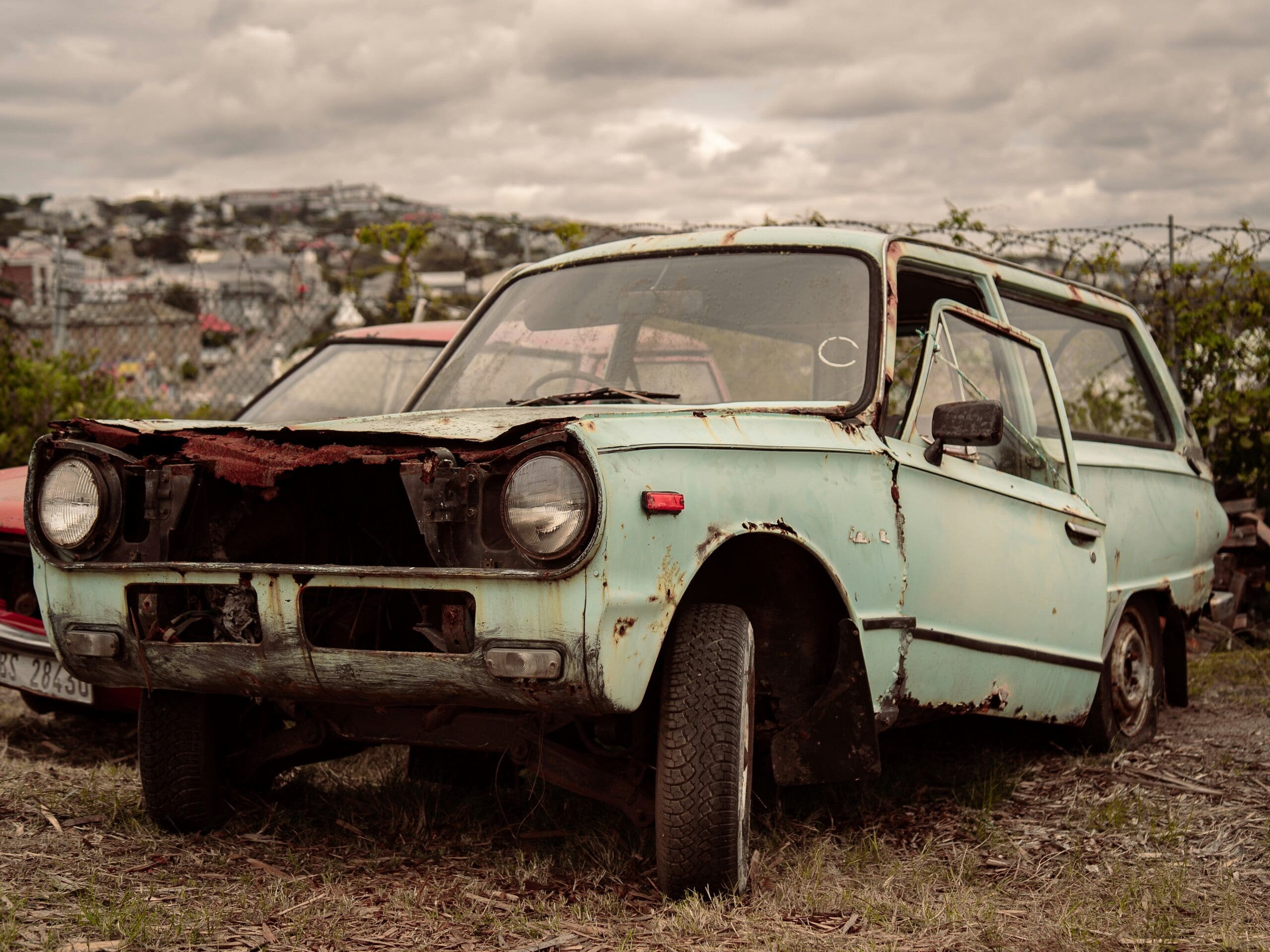
Short Answer: A restoration that lasts starts with rust removal down to clean metal, not just cosmetic patching. It also needs a proper paint system, mechanical systems rebuilt (not just cleaned), and correct storage afterward. Skip any one of these, and the car looks finished for a year or two before problems resurface. Done right, […]
September 9, 2026
Short Answer Classic truck restoration follows the same core principles as car restoration, with a few truck-specific priorities: frame and bed integrity, suspension geometry, and cab corner rust. Auto Art Restoration handles rust repair and metalwork at 100 to 300 hours of labor for most fabrication-heavy truck projects. Owners across Kentucky, Nashville, and Louisville drive […]
September 8, 2026
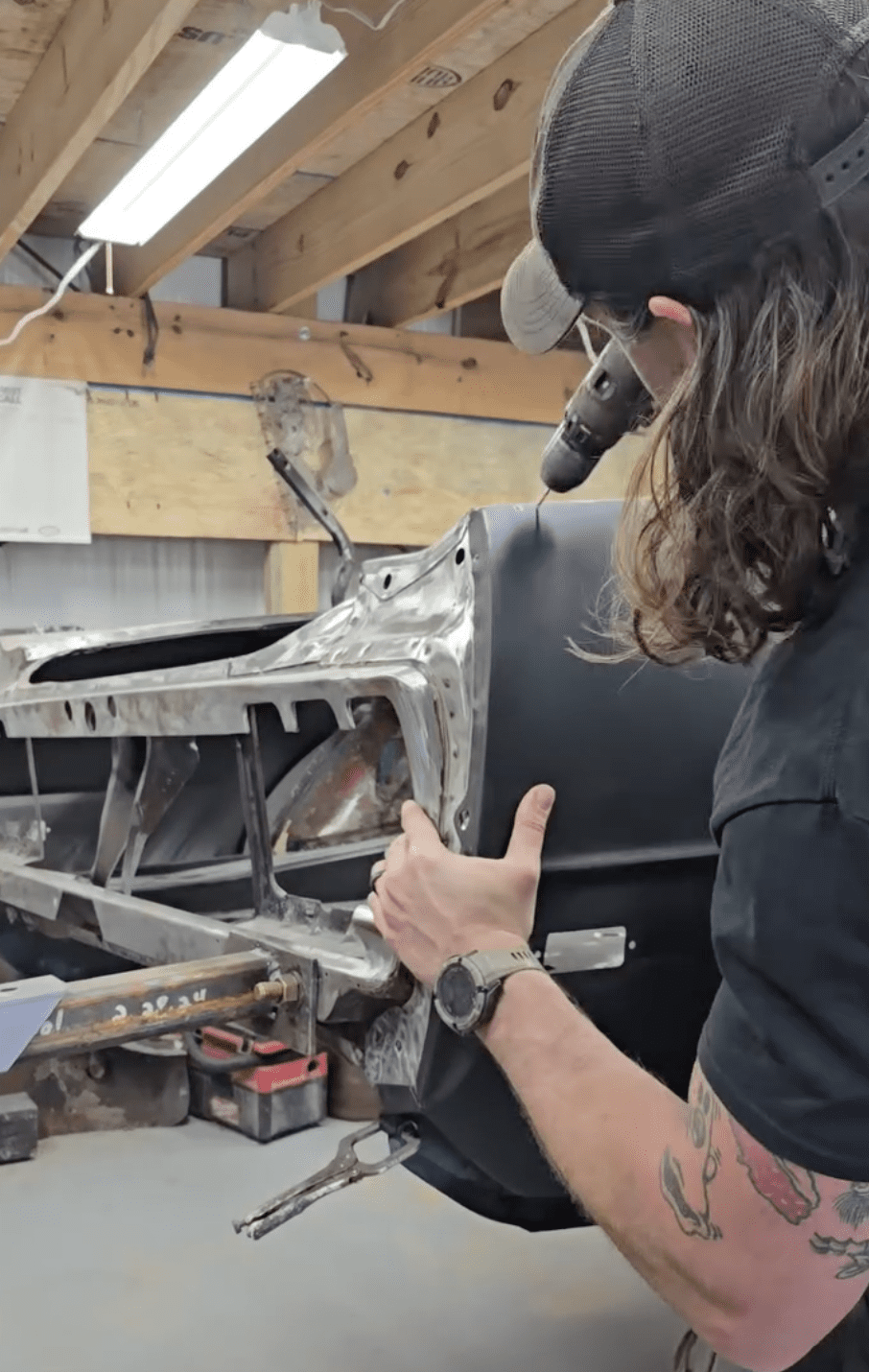
Short Answer: A full, complete restoration at Auto Art typically runs 500 to 1,000+ hours of labor at a flat $100 an hour. That puts most complete projects in the $50,000 to $100,000+ range, with parts billed separately at cost. The exact number depends mainly on how much rust and fabrication the car needs. It […]
September 7, 2026
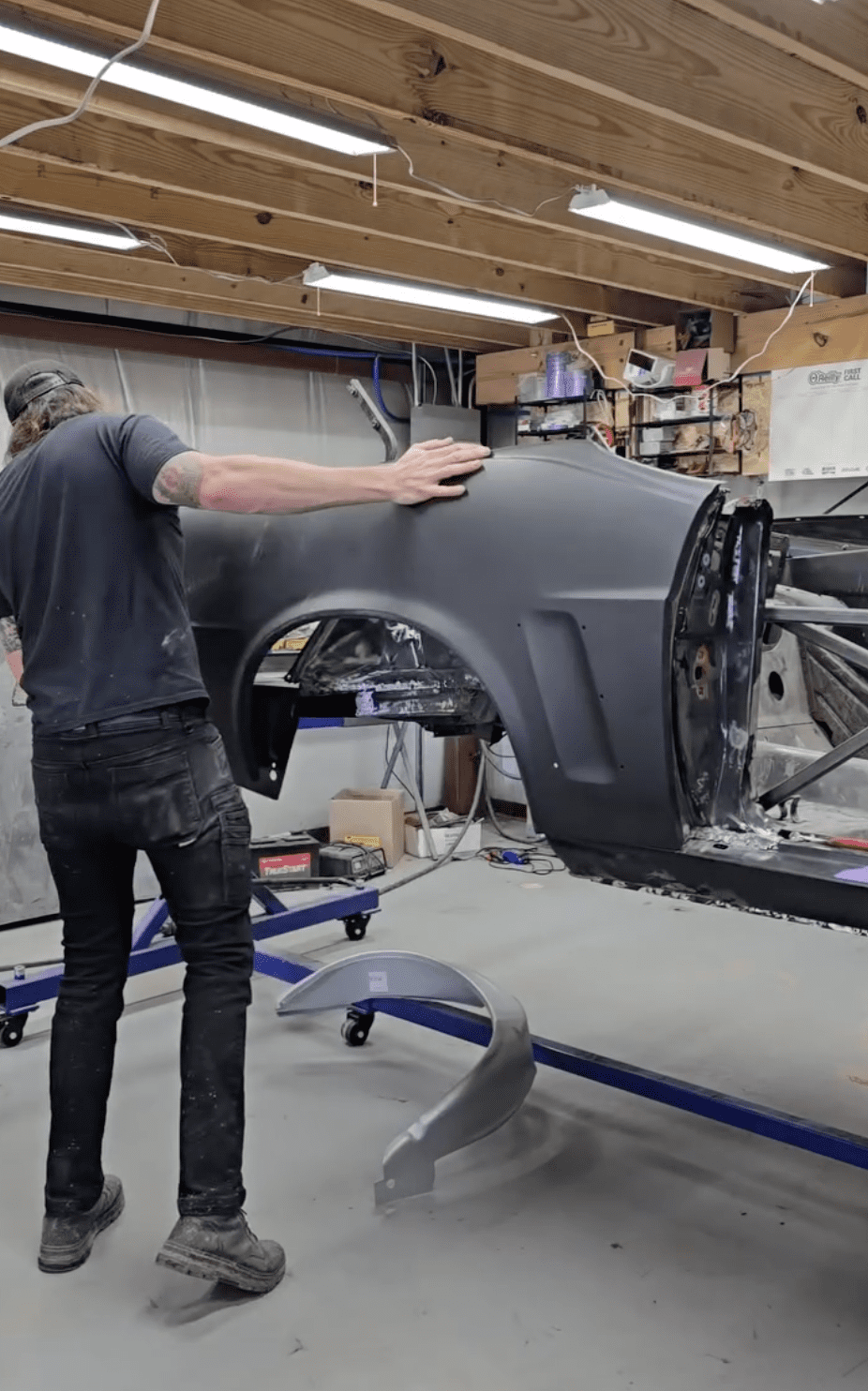
Short Answer A show quality frame off restoration separates the body from the chassis completely. Every part gets removed, catalogued, and either restored or rebuilt to factory correctness. Auto Art Restoration treats concours-level work as our most demanding tier, requiring perfect panel gaps and period-correct materials throughout. Done right, a full frame off restoration typically […]
September 4, 2026
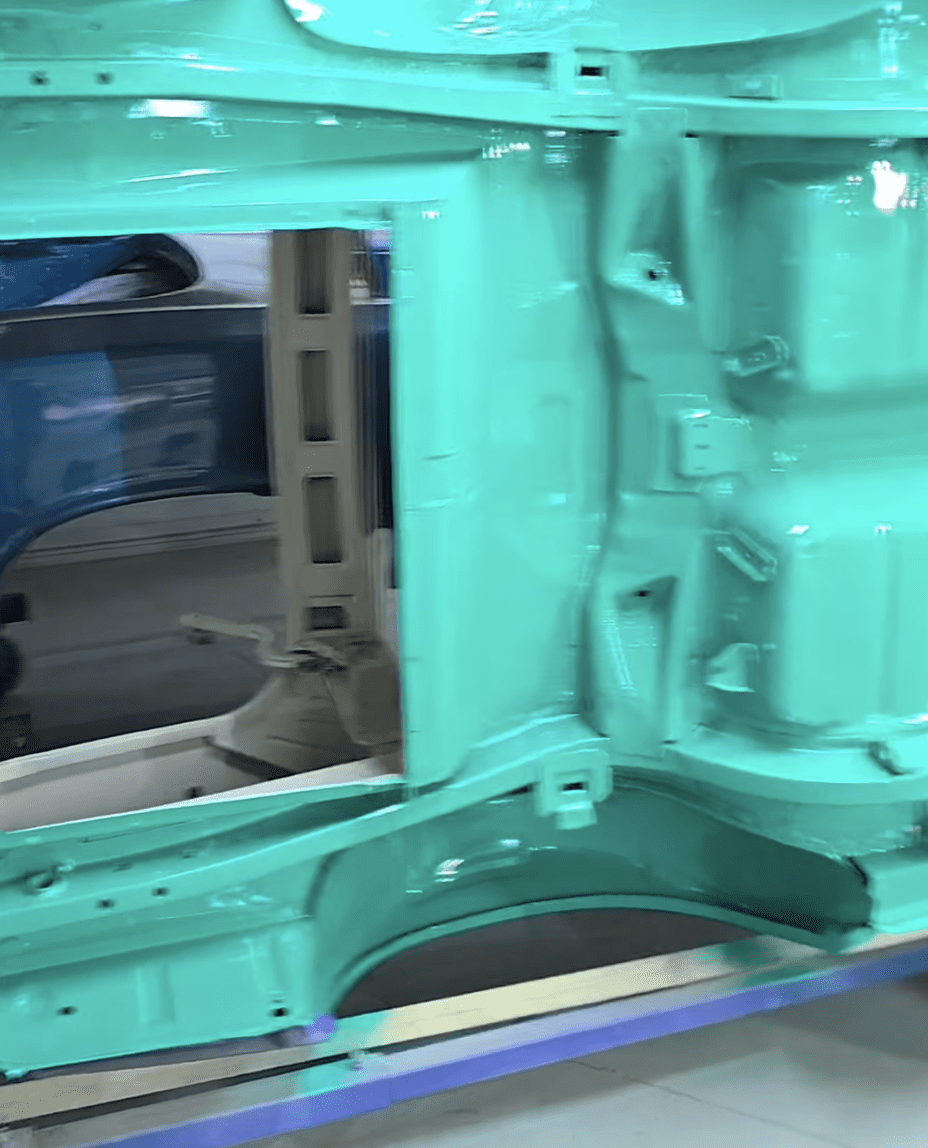
Short Answer: Correcting seam rust on a classic car means cutting out every trace of the corroded metal, welding in a properly formed replacement panel, and rebuilding the seam using the method the factory actually used. This could be lead (body solder) on cars that were leaded from the factory, or weld-through primer and seam […]
August 29, 2026
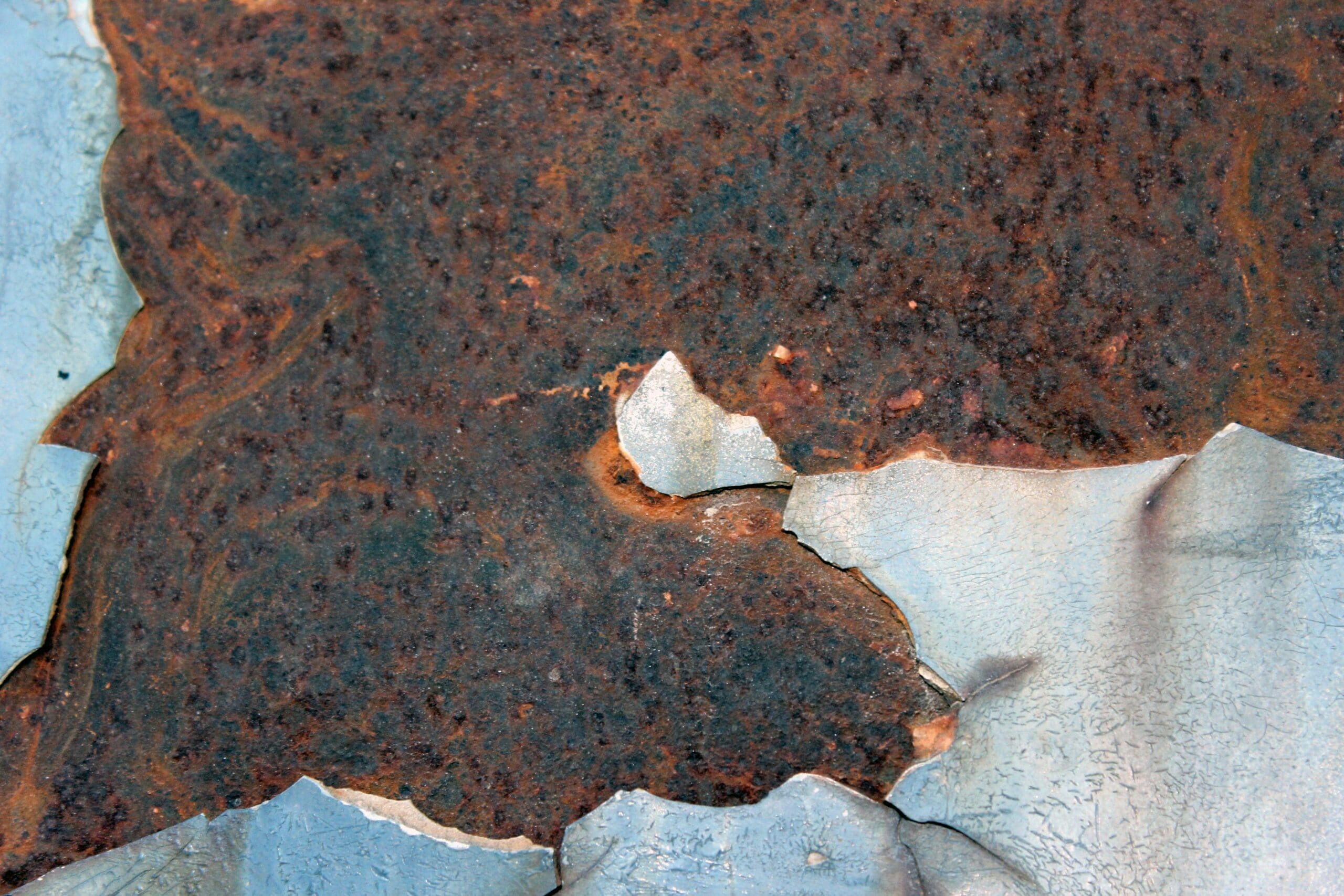
Short Answer: Most owners underestimate how much the classic car restoration process reveals once the vehicle actually comes apart. The five surprises that show up most often are: hidden rust in places no one checked, parts that simply don’t exist anymore and have to be fabricated, old “repairs” that have to be undone before new […]
August 29, 2026
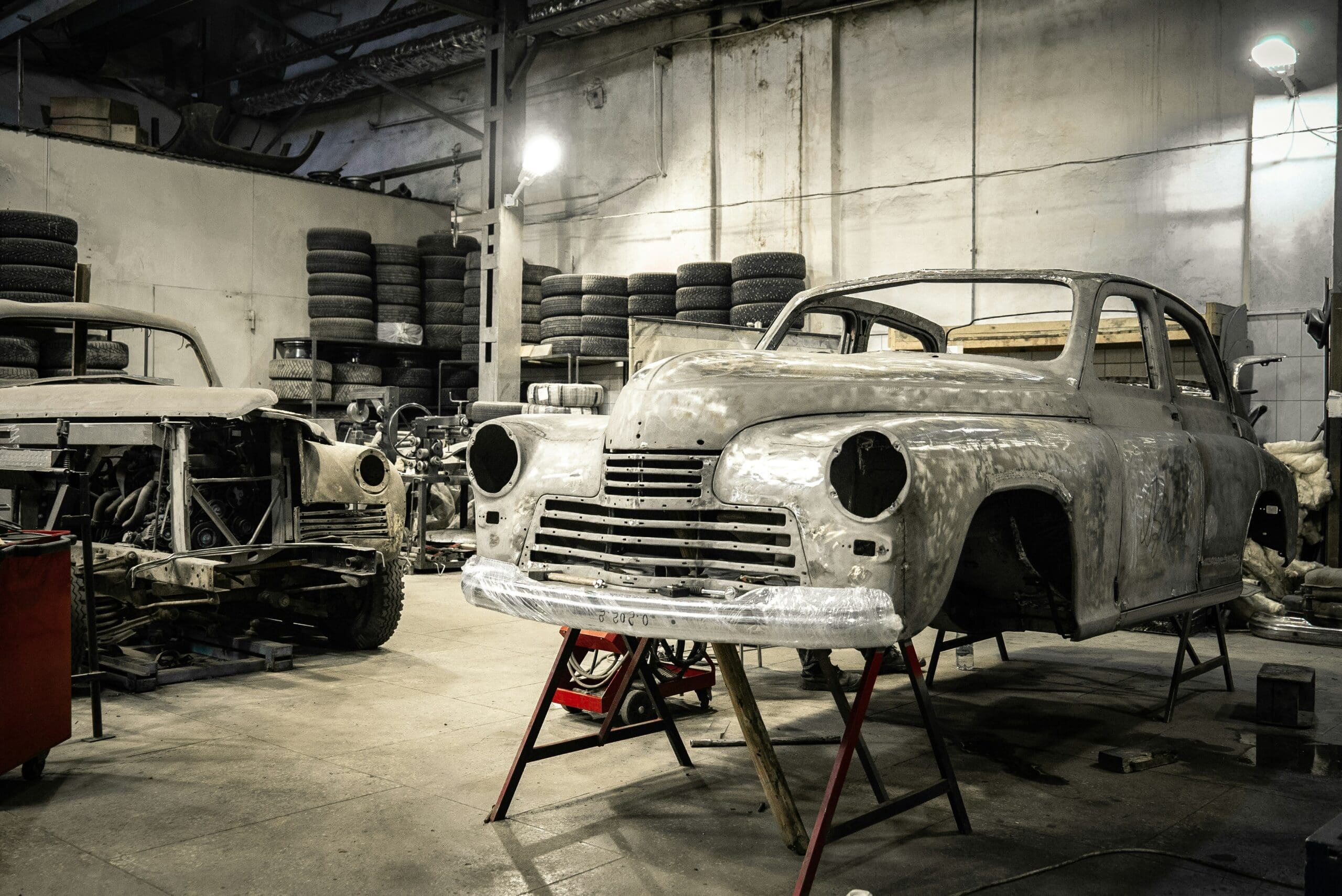
Most people think a classic car restorer is someone who fixes old cars, and that assumption is where a lot of restoration projects start going sideways. A professional classic car restorer is not defined by how well they weld, paint, or fabricate in isolation. The role is about judgment. Knowing what to touch, what to […]
January 2, 2026
