
5 Surprises for Owners During a Classic Car Restoration Process
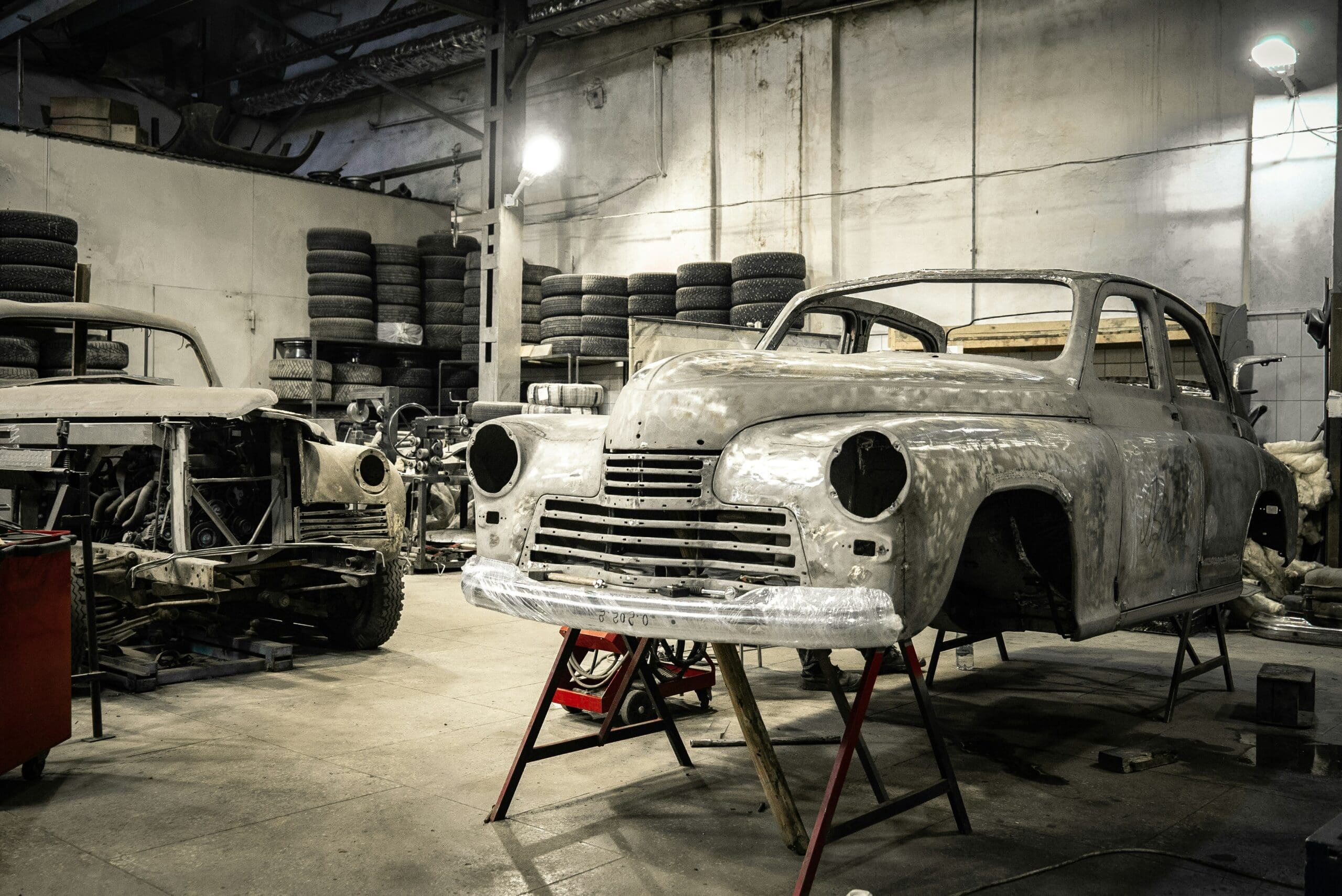
Short Answer: Most owners underestimate how much the classic car restoration process reveals once the vehicle actually comes apart. The five surprises that show up most often are: hidden rust in places no one checked, parts that simply don’t exist anymore and have to be fabricated, old “repairs” that have to be undone before new work can even start, a timeline that moves in phases instead of a straight line, and a final bill that tracks labor hours more than it tracks parts. None of these are red flags. They’re just what real restoration work looks like once the surface comes off.
If you’ve priced out a restoration from a phone call or a walk-around estimate, you’ve probably heard a number that sounded reasonable. Then the car actually opened up, and the number expanded rapidly.
Cecil Henry has spent over 20 years pulling classic and vintage vehicles apart at Auto Art in Marion, Kentucky, and the surprises rarely change even though the cars do.
What follows are the five that come up on nearly every build, why they happen, and what a shop that’s seen them before actually does about it.
1. Rust Shows Up Somewhere Nobody Checked
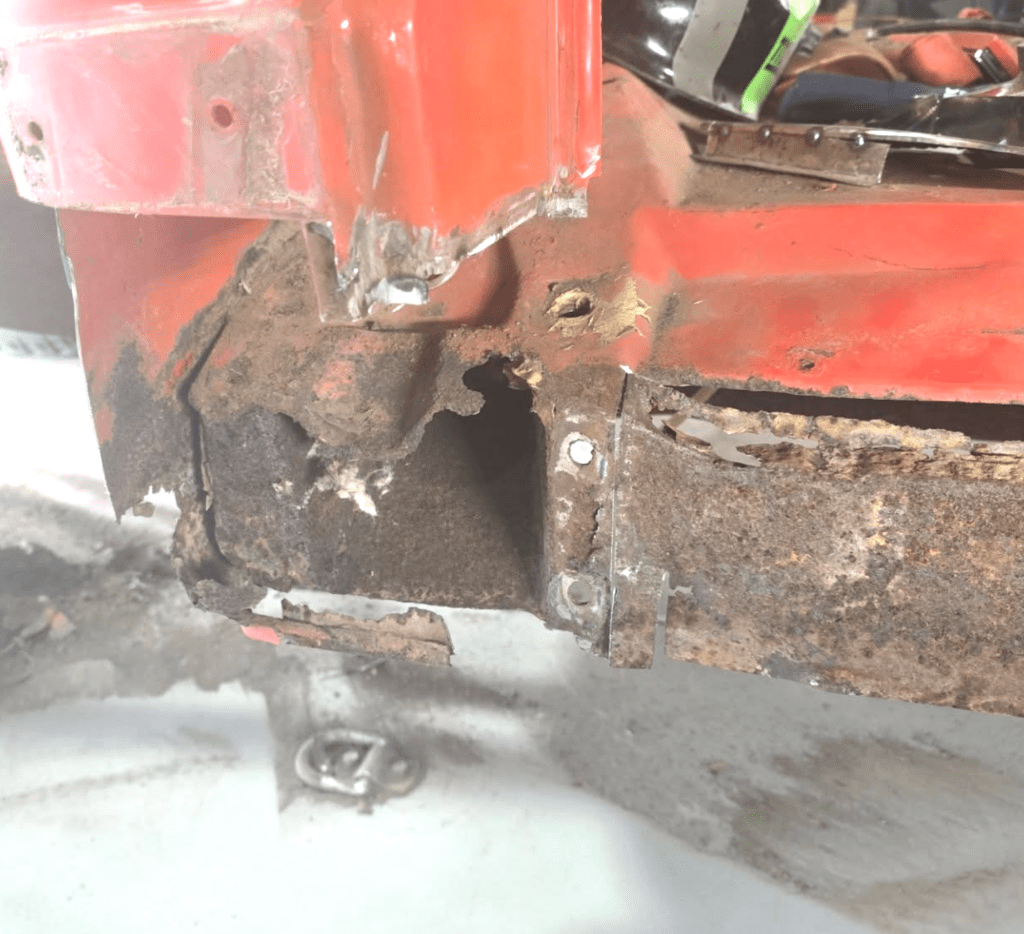
The rust you can see at a walk-around is rarely the rust that ends up mattering. Surface bubbling on a fender or a soft spot near a rocker panel is easy to spot and easy to quote around. What’s harder to see — and far more expensive to ignore — is corrosion working through a frame rail, a floor pan seam, or the metal hidden behind trim and undercoating that hasn’t been removed in decades.
This is exactly why disassembly has to come before any real number gets set. Once a car is stripped down to bare metal, seams that looked solid from three feet away sometimes turn out to be filler over rust, and panels that seemed original turn out to be prior patch jobs holding on by a few spot welds. It isn’t unusual for a car to look like a two-week cosmetic job in the driveway and turn into a structural repair once it’s on the lift. That’s not a shop padding an invoice — it’s the difference between guessing and actually knowing what you’re working with.
See how structural rust and metalwork are actually handled on the Metal Work services page.
2. The Part You Need Doesn’t Exist Anymore
Vintage and discontinued platforms run into parts problems that newer cars simply don’t. A trim piece, a specific bracket, or a body panel that was only produced for a couple of model years can be gone from the supply chain entirely — no reproduction, no salvage yard with one sitting on a shelf, nothing.
When that happens, the classic car restoration process doesn’t stall so much as it changes shape. The part gets hand-fabricated instead of ordered. That takes longer than bolting on a reproduction piece, and it takes a different kind of skill — the kind that comes from having fabricatekmod the same missing bracket for a different car five years earlier, not from a parts catalog. Owners who go in expecting every part to be a phone call away are usually the ones most surprised by this one.
3. Someone Already “Fixed” This — and It Has to Come Back Out
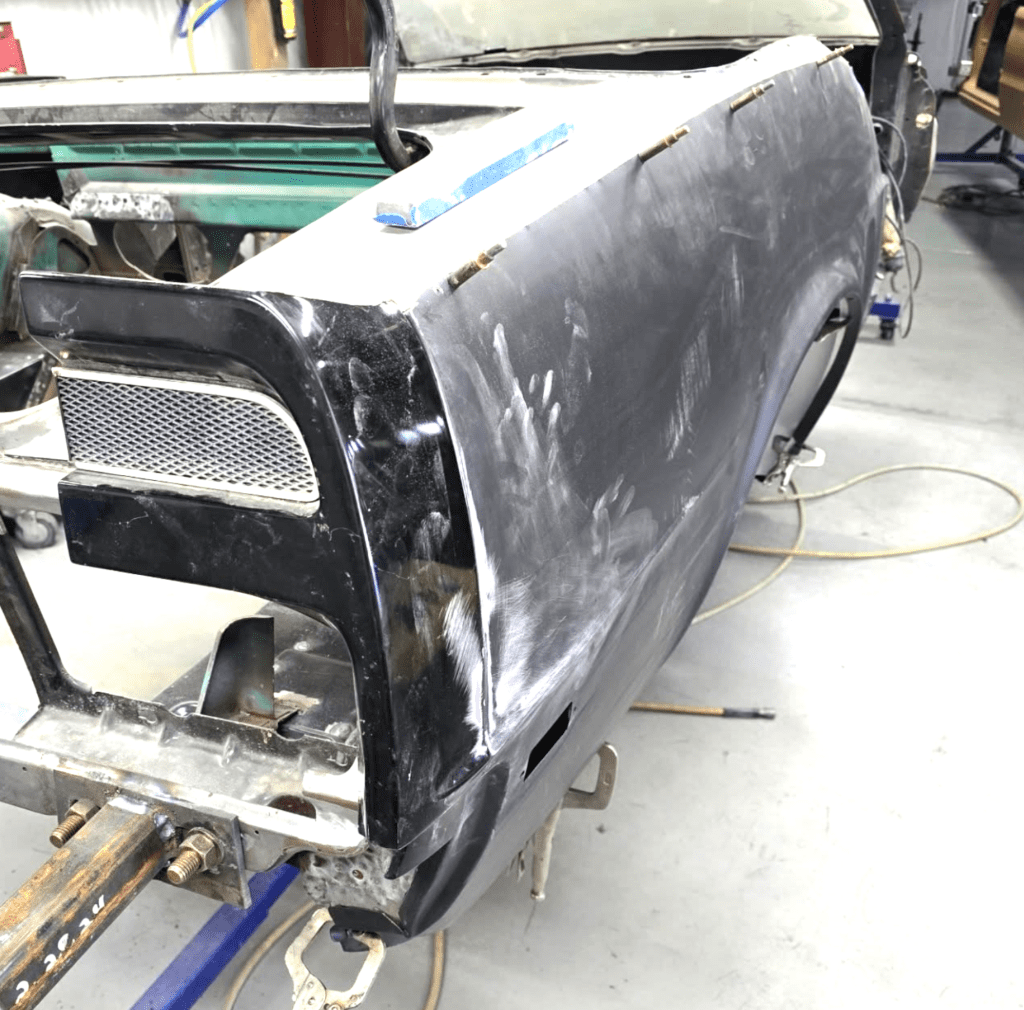
A lot of restoration time gets spent undoing work, not just doing it. Cars that have passed through a few owners have usually passed through a few repair attempts too, and not all of them were done right. Filler smoothed over rust instead of cutting it out. Panels welded in without checking gaps or alignment first. Wiring spliced instead of properly repaired.
None of that shows up on a test drive or a quick inspection — it shows up once the car is opened up and someone has to decide whether to build on top of a bad repair or remove it and start over. The honest answer is almost always to remove it.
Building correct work on top of an incorrect repair just buries the problem one more layer deep, and it tends to resurface later, usually somewhere more visible or more expensive to reach. This is one of the reasons restoration timelines are harder to predict from the outside than owners expect.
4. The Timeline Moves in Phases, Not a Straight Line
A classic car restoration doesn’t progress at a steady, predictable pace, and owners who expect a straight line to a finish date are usually the ones who feel blindsided. Disassembly and evaluation come first, and that phase alone can reset expectations once hidden issues surface. Metalwork and structural repair follow, and none of the cosmetic work — paint, trim, upholstery — begins until that foundation is sound. Mechanical integration and reassembly come last, and final fitment is its own slow, deliberate stage rather than a quick bolt-together at the end.
Each phase of the classic car restoration process depends on the one before it holding up. Rushing metalwork to hit a paint date is exactly how a car ends up needing rework later, which costs more time than doing it right the first time would have. A shop that’s honest about this will revisit the timeline with you as the project moves, not just hand you one date at the start and go quiet until it slips.
5. The Bill Reflects Labor Hours, Not Just Parts
Owners pricing a restoration around parts costs are usually pricing the smaller half of the job. A reproduction panel or a rebuilt component has a knowable price tag. The hours it takes to fit that panel correctly, blend paint into surrounding sections without a visible line, or hand-fabricate a part that isn’t reproduced at all — that’s where most of a restoration budget actually goes, and it’s much harder to estimate from a photo or a phone call.
This is also where the surprise cuts both ways. Some shops quote low on labor to win the job and make it up later in change orders. Others price labor honestly from the start, which can look like a bigger number upfront but tends to hold up better as the project moves. Asking a shop directly how they price labor — not just parts — is one of the more useful questions an owner can ask before signing anything.
FAQ
Does finding rust mid-project always mean the price goes up?
Usually, yes, but the amount varies widely. A shop that disassembles and evaluates the car early, before finalizing a quote, will catch most structural rust before major work starts, which limits how much the number moves later.
Can I ask to see the car during disassembly before committing to full metalwork?
Yes, and you should. A reputable shop will walk you through what disassembly revealed and explain the plan before moving into structural repair, rather than just proceeding and billing you afterward.
Is it normal for a restoration timeline to extend past the original estimate?
It’s common, especially on cars with hidden rust or discontinued parts. What matters is whether the shop communicates why the timeline shifted, not whether it shifted at all.
Why can’t a shop just quote an exact price before disassembly?
Because the true condition of a vintage car — especially rust and prior repair quality — usually isn’t visible until it’s apart during the classic car restoration process. A shop quoting an exact number sight-unseen is guessing as much as you are.
Are hand-fabricated parts as good as original factory parts?
When done correctly, yes. Hand fabrication done to match original dimensions and material can hold up as well as, or better than, an aging original part — but it depends heavily on the fabricator’s skill and experience with that specific platform.
Should I be worried if my shop finds a prior repair that needs to be redone?
Not if they explain it clearly. Finding and correcting old repair mistakes is a normal and important part of restoration — it’s a sign the shop is actually inspecting the car thoroughly, not skipping over problems.
What This Means for Your Build
The surprises above aren’t a reason to avoid restoring a classic car — they’re the reason evaluation and honest communication matter more than a fast quote. Rust hides where it wants to, parts for discontinued platforms have to be earned through fabrication rather than ordered, and a fair price reflects the labor a car actually needs, not just the parts on the invoice.
None of that changes the value of doing the work right the first time. If you’re weighing whether your car is ready for this process, Auto Art evaluates every vehicle honestly before major work begins, so the surprises get identified early instead of halfway through the build. Contact Auto Art to start with an evaluation, or explore the Full Restoration services page to see how the process is structured from disassembly through final fitment.
