
What Are the Best Practices for Long-Lasting Automobile Restoration?
Short Answer: A restoration that lasts starts with rust removal down to clean metal, not just cosmetic patching. It also needs a proper paint system, mechanical systems rebuilt (not just cleaned), and correct storage afterward. Skip any one of these, and the car looks finished for a year or two before problems resurface. Done right, a restoration should hold up for decades of real driving, not just a photo at a car show.
If you’ve put money into a restoration before and watched rust bubble back up under the paint within a couple of winters, you know the frustration. A rushed or corner-cut job doesn’t just look bad later — it costs you the labor twice.
At Auto Art Restoration’s complete restoration service, we’ve spent over 20 years working on BMWs and other European classics in Marion, Kentucky, and the pattern is always the same: the restorations that last are the ones where nobody skipped the boring parts.
This article walks through the practices that actually separate a car that lasts from one that needs redoing.
Why Does Rust Removal Have to Go Deeper Than the Surface?
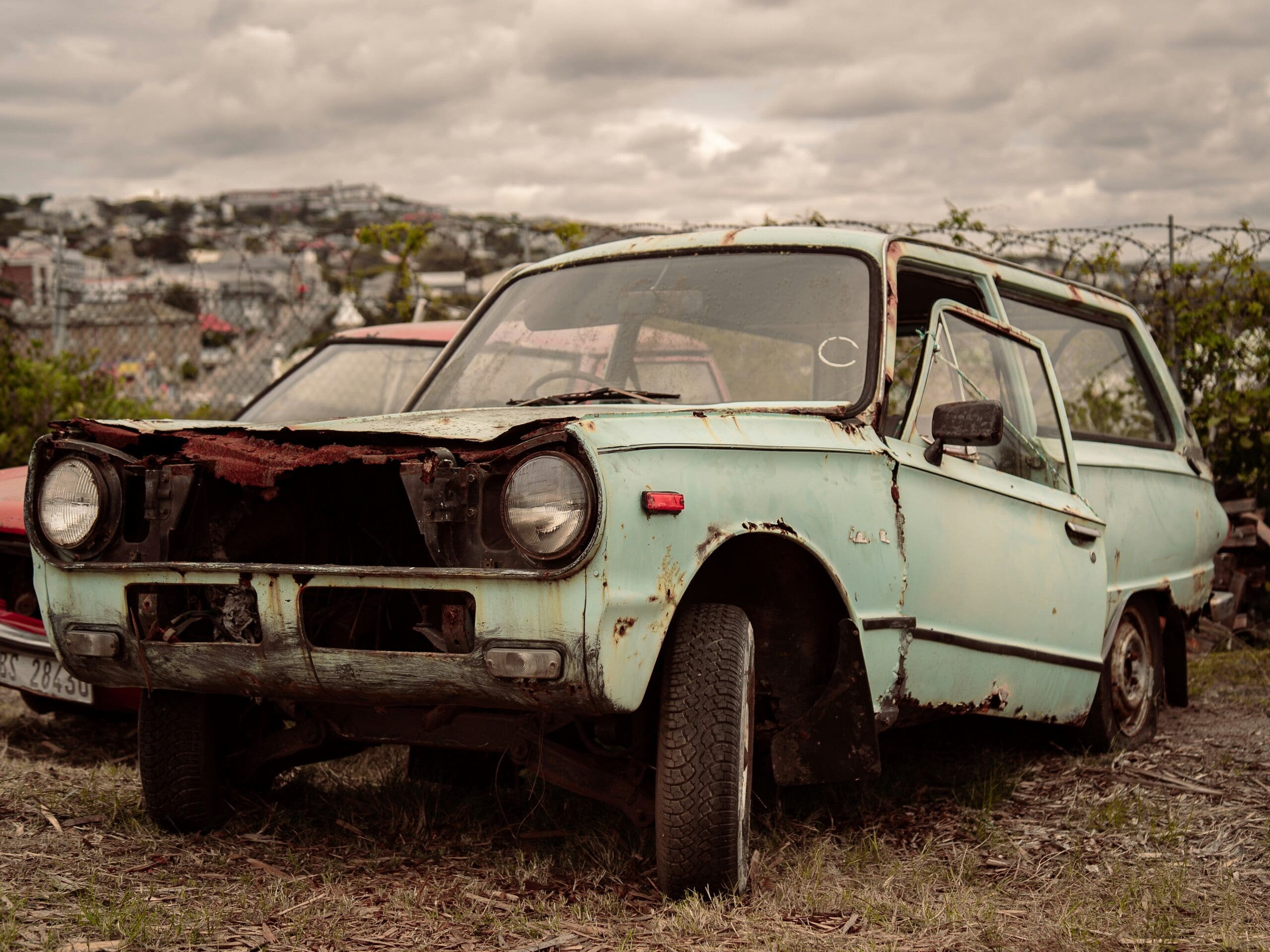
Rust that isn’t fully cut out will always come back, even under fresh paint. Surface sanding and a skim coat of filler might look clean in the shop, but rust left in the metal keeps spreading underneath. It just takes longer to show.
- Cut rust out to bare, solid metal — not just until the surface looks smooth
- Weld in new metal patches rather than relying on body filler over weak steel
- Treat the back side of panels too, since rust often starts from the inside out
- Seal repaired areas with an epoxy primer built for rust prevention, not just a filler primer
Cecil Henry, our founder, has seen this exact shortcut fail more times than he can count. A car that looks perfect at delivery can be hiding rust that resurfaces within two or three years if the repair only covered the symptom.
What Makes a Paint Job Actually Hold Up for Decades?
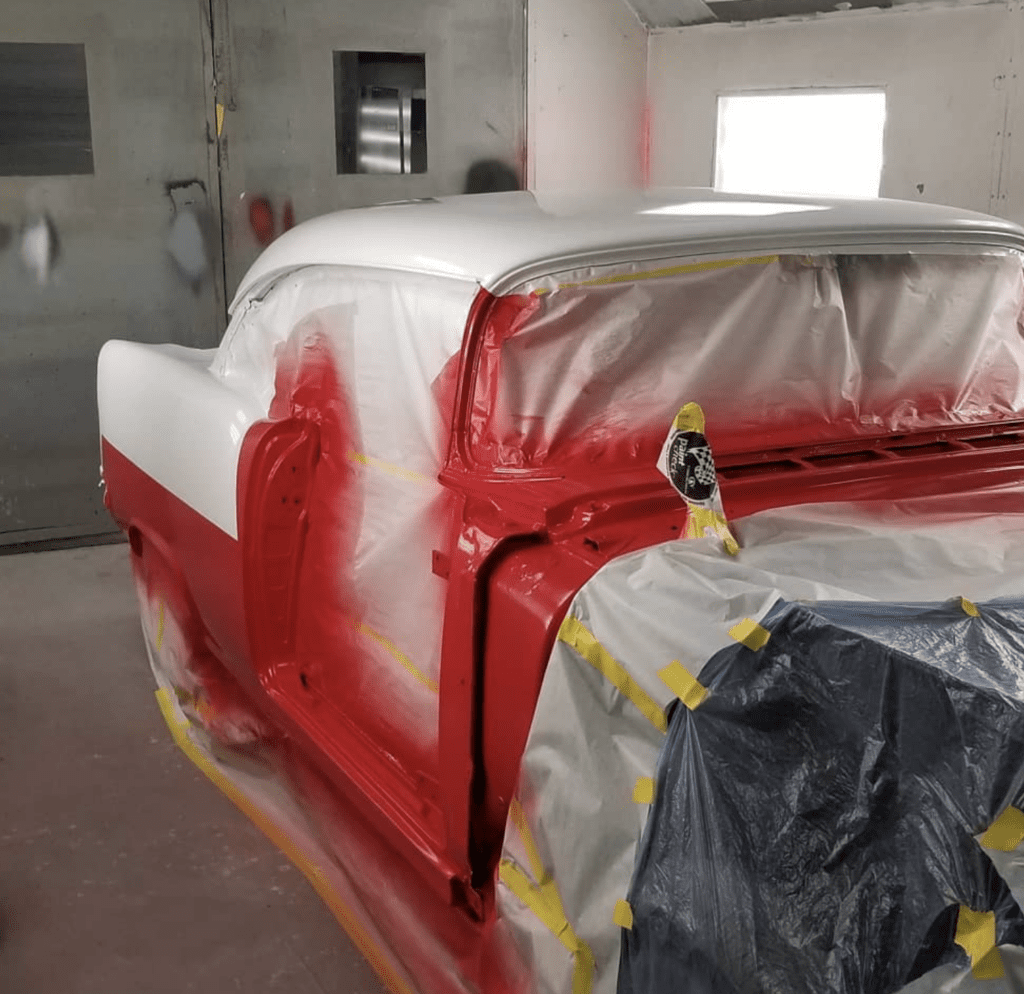
Paint longevity comes down to what happens before the paint ever hits the panel. The finish itself matters, but 80 percent of a paint job’s lifespan is decided in the prep work.
- Full panel prep — stripping, blocking, and multiple primer coats — instead of painting over old finish
- A modern base coat/clear coat system built for UV resistance, not a single-stage paint chosen only for period-correct looks
- Correct cure time between coats, even when it slows down the timeline
- Climate-controlled spraying conditions to avoid trapped moisture under the clear coat
We’re upfront with customers that a rushed paint job can look identical to a properly prepped one on delivery day. The difference only shows up two winters later, when the rushed job starts to crack or peel at the edges. This is the same reason a full restoration — not a cosmetic-only refresh — is worth the investment; see our complete restoration services for what that includes.
Why Do Mechanical Systems Need the Same Attention as the Body?
A restoration isn’t finished until the car can be driven the way it was built to be driven. A show-quality body on tired mechanicals is a restoration half-done.
| System | What “Restored” Should Actually Mean |
|---|---|
| Engine | Rebuilt or verified, not just cleaned and repainted |
| Brakes | New lines, seals, and pads — not just resurfaced rotors |
| Cooling system | New hoses, water pump, and radiator core, since old rubber fails without warning |
| Electrical | Wiring inspected and repaired, especially on cars with decades-old harnesses |
Skipping mechanical work to stretch the budget toward cosmetics is one of the most common mistakes we see in cars that come to us for a second restoration.
How Should a Restored Classic Be Stored and Driven Afterward?
How the car is stored and driven after restoration matters almost as much as the restoration itself. A perfect restoration can degrade fast under bad storage habits.
- Store in a climate-controlled space where possible, away from humidity swings
- Drive it periodically instead of leaving it parked for months at a time — seals and gaskets dry out without use
- Wash and wax on a regular schedule to protect the new clear coat from UV and road salt
- Address small issues immediately rather than letting them sit until the next show season
A classic that gets driven a few times a month, with basic upkeep, will often outlast one that sits untouched in a garage for years. Hagerty’s seasonal maintenance guide covers this same routine in more depth, including battery care and fuel stabilization during layoffs.
What’s the Real Cost of Skipping These Steps?
Cutting corners on any of these steps doesn’t save money — it defers the cost and adds labor to redo it later. A second restoration almost always costs more than doing it right the first time, since a shop now has to undo shortcuts before starting the real repair.
This is the trade-off we walk customers through before any project starts: a lower quote up front is worth asking hard questions about. If corners are being cut somewhere, it’s usually one of the items on this list.
A lasting restoration isn’t about any single dramatic repair — it’s the accumulation of decisions most people never see once the car is painted. Cutting rust out fully instead of skimming over it, prepping panels properly before paint, rebuilding the mechanicals instead of just cleaning them, and storing and driving the car correctly afterward: each one on its own seems minor, but skip enough of them and the restoration starts unraveling within a few years. We’ve built our shop around BMWs and other European classics specifically because this kind of thorough work is where we do our best, most durable jobs. If you’re weighing a restoration project and want a straight answer on what it’ll actually take to make it last, schedule a consultation with our team.
Frequently Asked Questions
How long should a professional restoration last before needing major work again?
A restoration done with full rust removal, proper paint prep, and rebuilt mechanicals should hold up for 15-20+ years of normal driving and storage. Corners cut in any of those areas can cut that timeline down to just a few years.
Is it worth restoring a car with heavy rust damage?
It depends on how far the rust has spread into structural areas like the frame rails or floor pans. A shop can usually cut out and replace rusted panels, but heavy structural rust raises the cost significantly and is worth a straight conversation before committing. It does tend to significantly increase the price.
Does a period-correct paint color mean using period-correct paint technology?
No. The color can match the original perfectly while the paint system itself is a modern base coat/clear coat formula. Original single-stage paints from decades ago don’t hold up as well to today’s UV exposure and road conditions.
How often should a restored classic car actually be driven?
Aim for at least a short drive every few weeks. Seals, gaskets, and fluids are designed to be used, and long periods of sitting cause more wear than moderate regular driving does.
Can I restore the car body and save money by skipping mechanical work?
You can, but it isn’t a true restoration — it’s a cosmetic refresh. The car will look finished but won’t perform or hold up the way a fully restored classic should, and the mechanical work usually still needs doing eventually anyway.
What’s the biggest mistake people make when choosing a car restoration shop?
Picking based on the lowest quote without asking what’s included. A quote that skips rust treatment, proper paint prep, or mechanical rebuilds will look cheaper on paper and cost more over the life of the car.
