
Best Practices for a Show Quality Car Paint Job
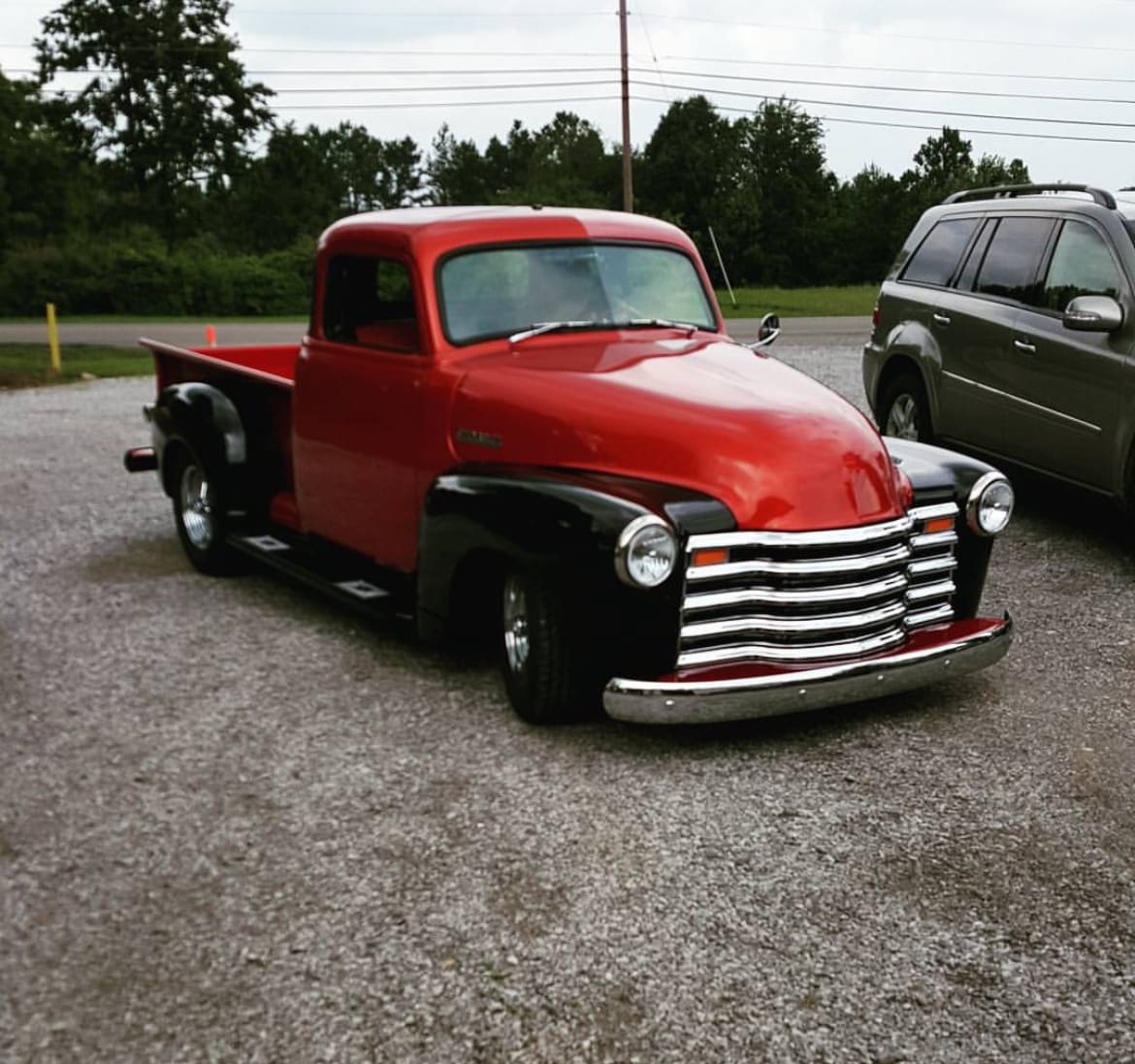
Short Answer: A show quality car paint job depends on what happens before the color ever goes on — full metal prep, correct primer and sealer, and a clean, controlled spray environment — followed by multiple thin coats, proper block sanding between stages, and enough cure time before wet sanding and buffing. Skip any one of these and the finish may still look good on delivery day but won’t hold up under close inspection or over time.
Chasing a show quality finish usually means you’ve been let down before — a paint job that looked great for a season and then showed orange peel, sanding marks, or a color that didn’t match under different lighting.
Auto Art works on classic and vintage vehicle paint every week out of our shop in Marion, Kentucky, and we treat paint as the last stage of a much longer process, not a shortcut around one.
Here’s what actually separates a show quality result from an average one.
Why Does Metal Prep Matter More Than the Paint Itself?
Paint can only be as good as the surface underneath it, and no amount of clear coat will hide a poorly prepped panel. Every wave, dent, and prior repair telegraphs through paint eventually, sometimes not until the finish has cured for weeks under sunlight. Getting the metal straight, filled correctly where needed, and block-sanded flat before primer is where a show quality result actually starts.
What Role Does Primer and Sealer Actually Play?
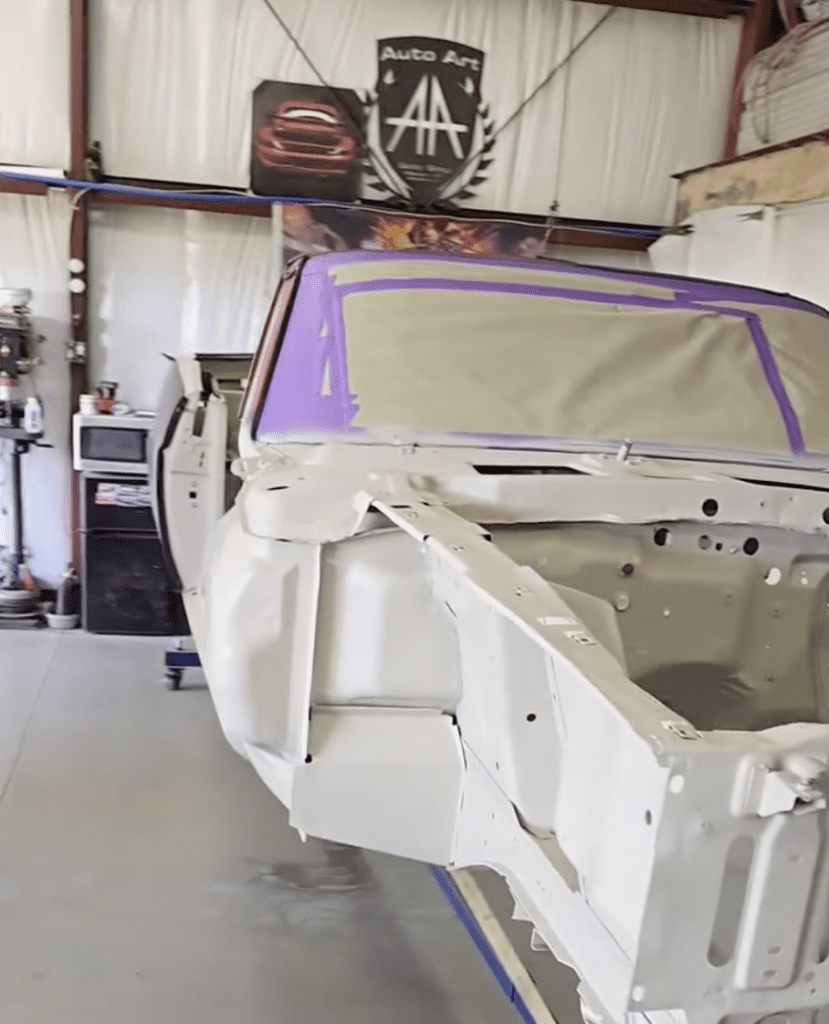
Primer and sealer aren’t just a base coat — they’re what levels the surface and locks in consistent color absorption across the whole panel. Skipping proper primer stages, or rushing the sanding between them, is one of the most common reasons a paint job looks slightly uneven from one panel to the next once it’s finished. Each primer coat needs to be block-sanded before moving forward, not just scuffed for adhesion.
Does the Paint Booth Environment Actually Matter That Much?
Yes — temperature, humidity, and airflow control affect how paint levels out as it dries, and inconsistent conditions are a leading cause of texture problems. Dust contamination, drafts, and rushed dry times between coats show up as texture or specks that no amount of buffing fully corrects. A controlled booth environment is part of the process, not an optional upgrade.
Why Multiple Thin Coats Instead of One Heavy Coat?
Thin, even coats let the paint level out properly as it dries, while a heavy coat sprayed too fast or too close is one of the most common causes of orange peel. Getting spray gun distance, pattern, and pressure consistent across the entire panel matters more than most people expect — even experienced painters have to adjust for each specific paint product’s viscosity and drying behavior. PPG’s guide to common paint defects covers this exact failure mode in detail, since it’s one of the most frequent issues in professional refinishing work.
What Happens After the Color Goes On?
A show quality finish needs full cure time before wet sanding and buffing, and rushing this stage undoes the work that came before it. Wet sanding levels out any remaining texture, and buffing brings out the final gloss — but doing either before the clear coat has properly cured risks swirl marks or a finish that never reaches full hardness. This stage is where patience matters as much as skill.
Getting a Paint Job That Actually Holds Up
A show quality paint job is really a show quality preparation process — the color and clear coat are just the last few steps in a much longer sequence. Straight metal, proper primer, a controlled spray environment, and patience through cure and correction are what separate a finish that turns heads for years from one that looks good in photos on delivery day.
At Auto Art, that’s the standard every paint job gets held to, whether it’s a full restoration or a standalone repaint. If you’re planning your next paint project, ask about the process, not just the price. In the meantime, check out our painting services to get more in depth information on how a quality shop builds out a paint job.
Common Questions About Show Quality Paint Jobs
How long should a show quality paint job take?
It varies with the vehicle’s condition, but rushing prep, spray, and cure stages to hit a shorter timeline is the most common way quality gets compromised.
What’s the real difference between a standard body shop paint job and a show quality one?
Standard collision paint work is built for speed and matching a factory finish quickly. Show quality work spends far more time on metal prep, block sanding between primer stages, and post-paint correction — the time investment is the difference, not the paint itself.
Can you get a show quality finish without full bodywork?
Only if the underlying metal is already straight and free of prior damage. If there’s any waviness or old repair work, it needs to be addressed before paint, or it will show through regardless of how good the paint application is.
Do you need to strip a car to bare metal for a show quality job?
Not always, but any area with rust, prior filler of unknown quality, or adhesion concerns should be stripped and evaluated. Painting over an unknown substrate is a common reason finishes fail early.
How much does a show quality paint job typically cost?
It depends on the vehicle’s size, condition, and how much prep work is required before paint. A shop that can’t explain what’s included in that cost, beyond a single number, is worth asking more questions of.
How do you maintain a show quality finish once it’s done?
Regular washing with proper technique, avoiding automatic car washes with abrasive brushes, and periodic waxing or sealant protect the finish. Direct sun exposure and bird droppings left too long are common causes of avoidable damage.
