
What a Proper Vintage BMW Restoration Involves
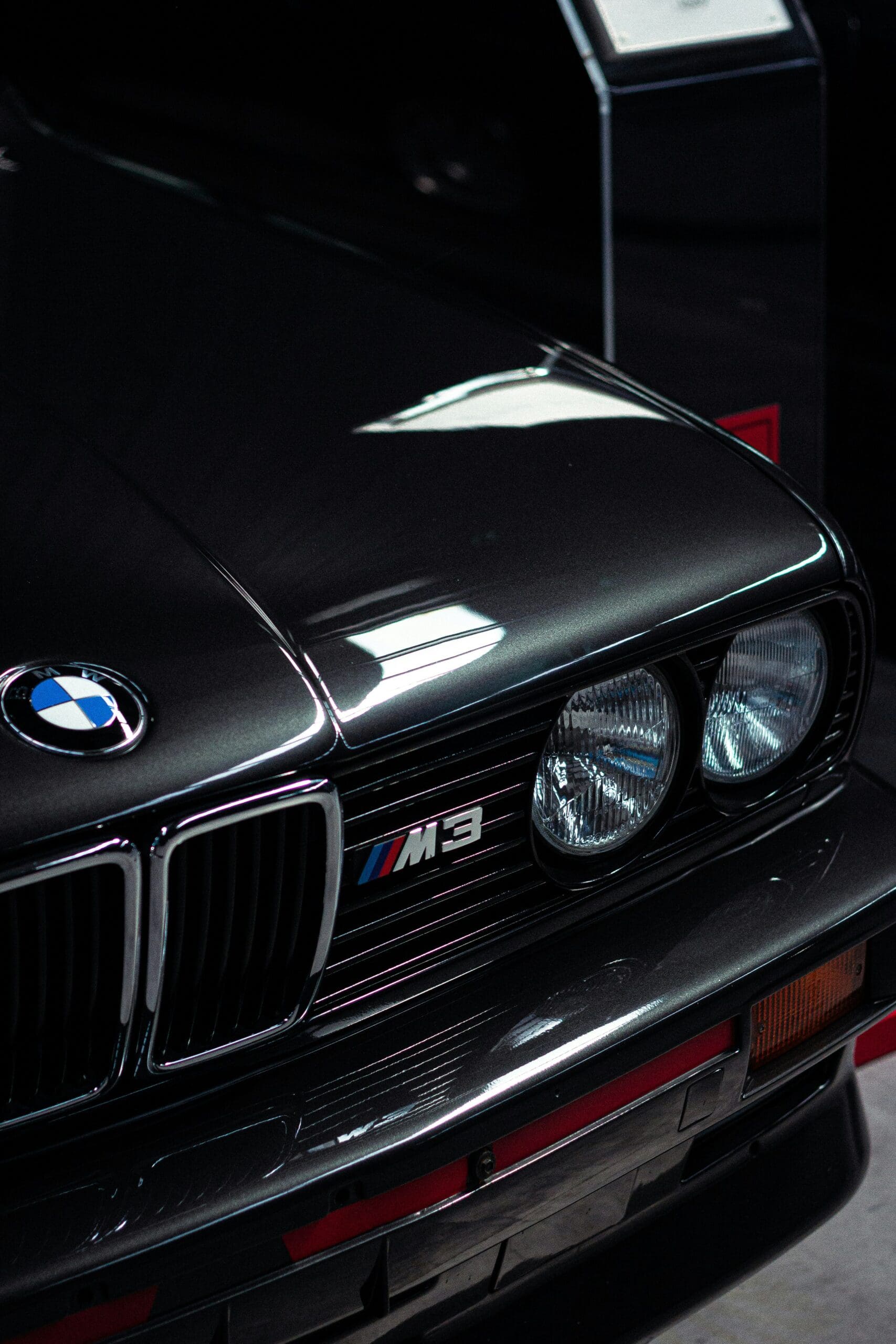
Short Answer: A proper vintage BMW restoration takes a car from hidden corrosion, tired mechanicals, and years of deferred repair to a body that’s structurally sound, correctly finished, and mechanically sorted — but the “after” photo only shows the surface. The real difference between a proper restoration and a cosmetic refresh happens in the metalwork, panel alignment, and finish work that never makes it into a snapshot, and only shows up years later in how the car holds up.
If you’re comparing before-and-after photos from different shops trying to decide who to trust with your BMW, you’ve probably noticed something frustrating: two very different repair jobs can produce a similar-looking “after” picture.
Auto Art is based in Marion, Kentucky, and works on vintage BMWs specifically — not as a side service, but as one of our core specialties.
This article walks through what actually changes at each stage of a proper restoration, so you know what to look for beyond the glossy photo.
What Does “Before” Usually Hide on a Vintage BMW?
The “before” condition of a vintage BMW is almost always worse underneath than it looks in a photo, because corrosion and prior repairs hide beneath old paint. Rust works from the inside of seams and rockers outward, and a car that looks like a straightforward cosmetic project can turn up structural corrosion once panels come off. A proper evaluation probes these areas before any work is quoted, rather than estimating from a walk-around.
If you’re comparing shops for your own vintage BMW, ask to see the process, not just the photos. BMW Car Club of America, the largest BMW owner organization in the country, is a good place to find other owners who can speak to what a properly restored car should look and feel like years after the fact.
What Actually Changes During the Metalwork Stage?
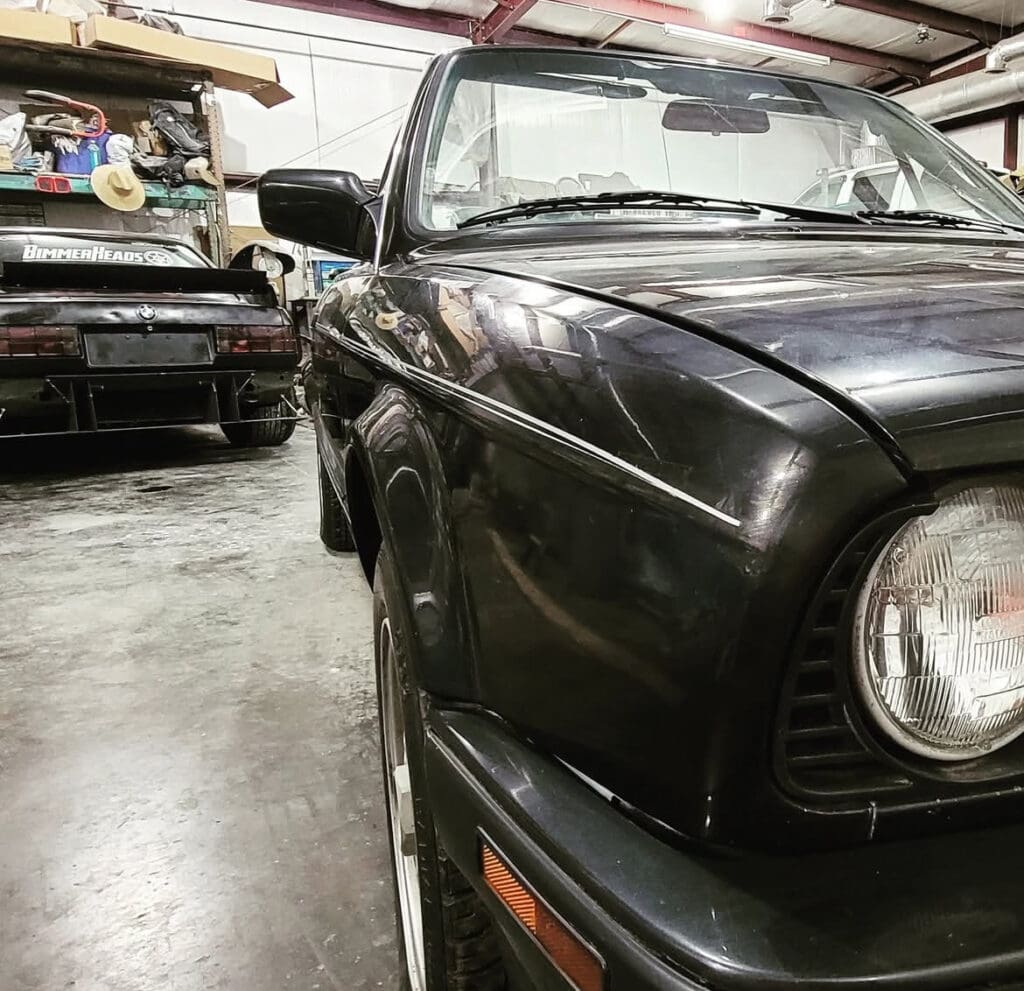
Compromised metal gets cut out and replaced with correctly formed steel, not bridged with filler. This is the stage that never shows up in a before/after comparison, because it’s covered by paint in the final photo. A shop working the right way removes corrosion completely, fabricates replacement sections for parts no longer produced, and rebuilds structure before anything cosmetic happens. Skipping this step is exactly how a car can look “restored” in photos while hiding the same problems it started with.
Why Does Panel Fit Matter as Much as Paint Color?
Doors, hoods, and trunk lids need to be aligned during metalwork, before paint goes on, or the gaps and body lines will never sit right. A photo taken from ten feet away won’t show a quarter-inch gap inconsistency along a fender, but it’s the kind of detail that separates a car that looks correct from one that actually is. Getting alignment right the first time also means the paint stage is finishing a body that’s already correct, not covering one that isn’t.
What Should the Paint Stage Actually Involve?
Correct paint work on a vintage BMW means proper prep and a paint system chosen for durability, not just a color match photographed under good lighting. Getting the color right matters, but so does what’s underneath it — clean, properly primed metal with no shortcuts taken to save time before spraying. A paint job can look flawless in a photo taken the week it’s finished and still fail within a year or two if the prep work wasn’t done right.
Does the Restoration Stop Once the Car Looks Finished?
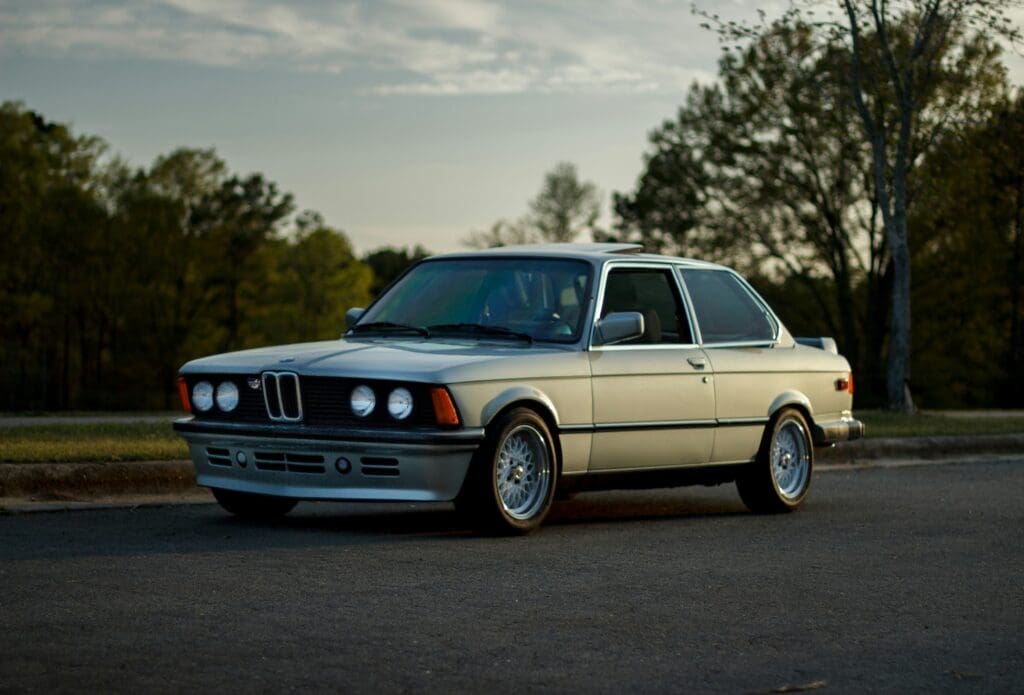
No — mechanical systems, trim, and brightwork all need attention too, and a car that looks perfect but drives poorly isn’t actually restored. A before/after comparison naturally focuses on the body and paint because that’s what photographs well, but a proper restoration addresses what’s underneath the hood and inside the cabin with the same standard. Trim and brightwork that were skipped to save time often show up as the first thing a knowledgeable buyer or fellow BMW owner will notice.
What a Real Vintage BMW Restoration Should Deliver
Before your BMW comes to us, it’s usually carrying more hidden wear than the surface lets on — rust working through seams, prior repairs covering rather than fixing problems, mechanical systems that have been deferred for years. Right now, a proper restoration means addressing all of that at the metal, alignment, and mechanical level before a single coat of paint goes on — not just producing a car that photographs well. Going forward, that’s the difference between a restoration that holds its lines and finish for decades and one that needs to be redone in a few years.
If you’re ready to get your BMW fully restored the right way from the ground up, give us a shout and we will walk you through every step of the process specific to your personal car.
Common Questions About Vintage BMW Restoration
How long does a proper vintage BMW restoration typically take?
It depends heavily on the car’s condition and scope, but a thorough restoration is measured in months, not weeks. Rushed timelines are often a sign that steps are being skipped rather than a sign of efficiency.
Can a partial restoration look as good as a full one in photos?
Often, yes — which is exactly why photos alone aren’t a reliable way to judge quality. A partial restoration addressing only the visible surface can photograph just as well as a full restoration while leaving underlying issues untouched.
Do impressive before-and-after photos guarantee good work?
No. Photos show the visible result, not the process that got there. Ask specifically what was done at the metalwork stage, not just what the final paint looks like.
What should I ask a shop to see beyond their photo gallery?
Ask about their metalwork process specifically — how they handle rust removal, whether they fabricate parts that aren’t reproduced, and how panels are aligned before paint. A shop confident in its process will walk you through it in detail.
Does a correctly done restoration affect resale value?
Yes. Buyers and appraisers familiar with the marque can usually tell the difference between a car restored to hold up and one restored to photograph well, and it affects what they’re willing to pay.
Can I do a partial restoration now and finish the rest later?
Yes, and it’s a reasonable way to manage budget on a larger project — as long as the work that is done now is done correctly at the metal and structural level, so it doesn’t need to be redone when the rest of the project continues.
