
Best Practices for a Show Quality Fiberglass Kit Car
August 29, 2026
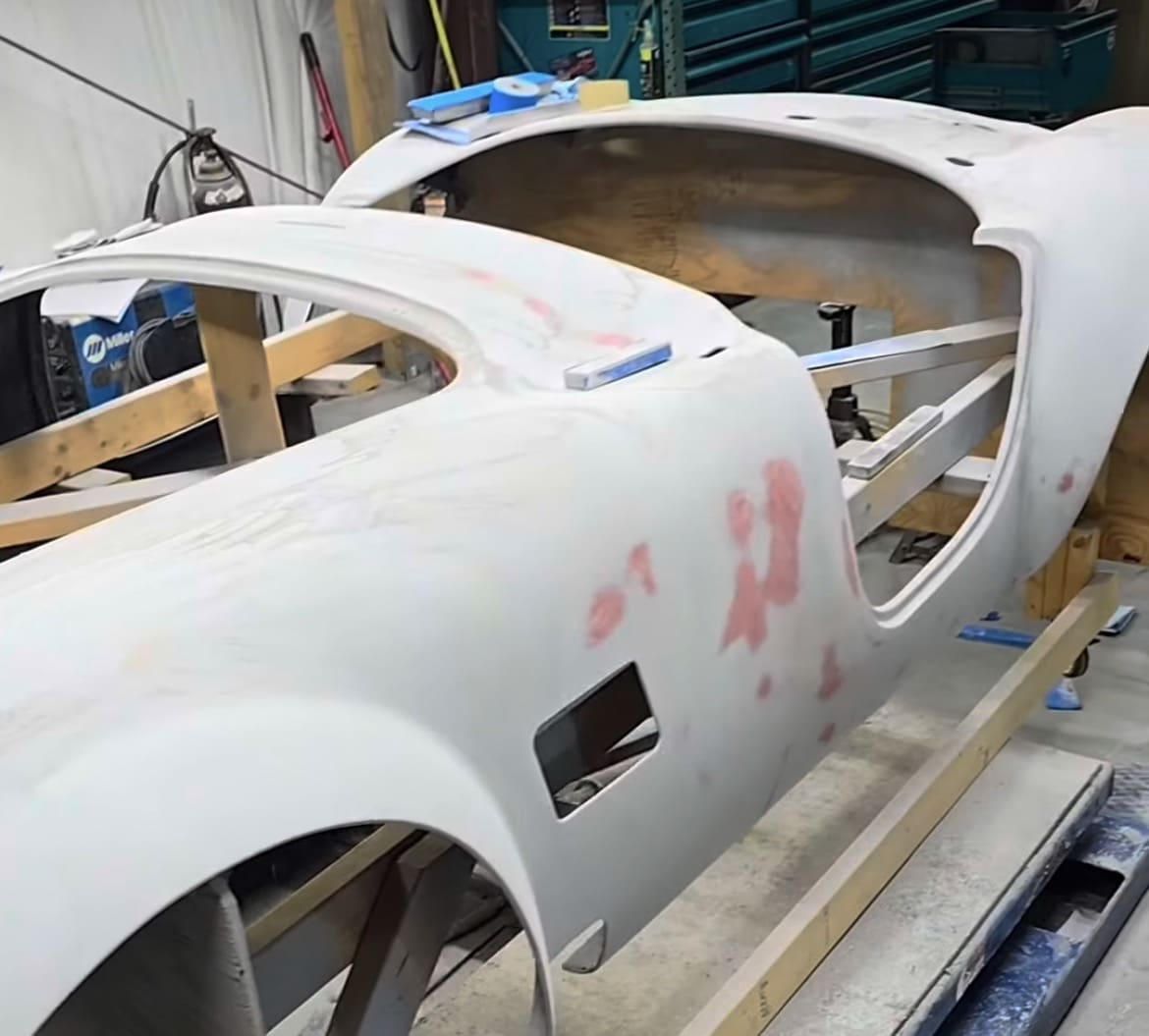
Short Answer: A show quality fiberglass kit car build depends on several things. First, proper gel coat and panel prep. Second, reinforcing known stress points before they crack, and using the right filler and paint system for a material that flexes differently than steel. Finally, getting panel fitment right before finishing work begins. Skipping any of these steps shows up later as hairline cracking, uneven panel gaps, or paint that fails at the seams.
If you’ve put time into a fiberglass kit car build and watched small cracks reappear at the same spots no matter how many times you fill them, you already know fiberglass doesn’t forgive shortcuts the way people expect.
Auto Art builds and finishes fiberglass kit cars out of our shop in Marion, Kentucky, treating the material’s specific behavior as part of the plan from the start.
Here’s what separates a kit car body that holds its finish from one that keeps needing touch-ups.
Why Does Fiberglass Crack in the Same Spots Repeatedly?
Fiberglass flexes and transmits stress differently than steel. Mounting points, panel edges, and prior repair areas are the first places that crack under vibration and heat cycling. A repair that only addresses the surface — filling a crack without reinforcing what’s underneath — tends to fail again in the same location once the car is back on the road.
Fiberglass bodywork guidance from Classic Motorsports makes the same point about star cracks and stress fractures. The underlying material has to be properly cut back and reinforced, not just filled at the surface.
What Does Correct Stress Point Reinforcement Actually Look Like?
Known problem areas — mounting brackets, hinge points, and panel edges — need extra reinforcement built in before finishing. This usually means additional fiberglass layup at these specific points during the build stage, so the panel can handle the flex and vibration it will see in normal use. Retrofitting reinforcement after a crack appears is possible, but it’s never as strong as building it in from the start.
Is Gel Coat or Paint the Right Finish for a Kit Car Body?
It depends on the build’s goals, but paint over properly prepped fiberglass generally holds up better than gel coat for a daily-driven or frequently handled kit car.
Gel coat is a mold-release surface, not a true repair material, and it tends to be more brittle and prone to fading and cracking over time than a correctly applied paint system. Where color matching or repair is involved, most fiberglass specialists favor working in filler, primer, and paint rather than trying to blend new gel coat into old.
Why Does Panel Fitment on a Kit Car Take Longer Than Expected?
Fiberglass kit bodies don’t have the same manufacturing tolerances as factory steel panels. Gaps and alignment often need manual adjustment before anything gets painted. Rushing this stage to get to the more visually rewarding paint work is a common mistake. Panel gaps that aren’t corrected before finishing will stay wrong for the life of the build, no matter how good the paint looks.
What Filler and Prep Choices Actually Hold Up on Fiberglass?
Fiberglass-specific filler and a proper mechanical bond at repair edges matter more than the brand of product used. A patch that only bonds to the surface, without the edges beveled and keyed into the surrounding material, tends to pop loose or crack along its border under normal flex. Getting this step right the first time avoids a repair that has to be redone within a season or two.
Building a Fiberglass Kit Car That Actually Holds Its Finish
A show quality fiberglass kit car comes down to respecting how the material behaves. Reinforcing stress points before they crack. Getting panel fitment right before finishing. Choosing prep and paint systems built for flex rather than rigidity. Skip any of these and the build may look finished on delivery day while carrying the same problems that will resurface within a season.
At Auto Art, that’s the approach we bring to every fiberglass build that comes through our shop. If you’re working through a kit car project and want it to hold up, not just photograph well, get it evaluated before finishing work locks problems in.
Explore Our Fiberglass Build Services
Common Questions About Show Quality Fiberglass Kit Cars
Does fiberglass need different paint than a steel-bodied car?
The paint itself can be similar, but the prep and flexibility of the underlying material matter more with fiberglass. A rigid, unforgiving primer system can crack at flex points that steel wouldn’t have.
How do you stop stress cracks from coming back after a repair?
Reinforce the underlying material at the crack location, not just the visible surface. Also, address the root mounting or fitment issue causing the flex in the first place.
Can a fiberglass kit car actually reach show quality, or is that only realistic for steel bodies?
Fiberglass kit cars regularly reach show quality. The material just requires different techniques and more attention to reinforcement and fitment than steel does.
How long does show quality fiberglass body work typically take?
Panel fitment and reinforcement work usually takes longer than people expect going in, since gaps and stress points on a kit body rarely align correctly straight out of the box.
What’s the most common mistake in DIY fiberglass kit car builds?
Treating gel coat and filler as complete fixes without reinforcing the material underneath, which leads to the same crack reappearing after the visible repair looks finished.
Is it worth hiring a specialist instead of finishing a kit car build solo?
It depends on experience level and the specific issues involved — reinforcement and fitment work benefit the most from experience, since mistakes there are the hardest and most expensive to correct later.
Follow us
Hours
BLOG
Address: Marion, KY
Email: Cecil@autoartrestoration.com
Phone: 270.704.7444
Quick Links
